
Home additions have become one of the most requested construction projects across Middle Tennessee.
Homeowners are not just looking for more space. They are trying to make smart financial decisions while staying in the locations they already love.
In areas like Nashville, Green Hills, Franklin, Brentwood, Belle Meade, Thompson Station, Leipers Fork, and College Grove, moving no longer makes sense for many families. Interest rates are high. Inventory is tight. And many homeowners are locked into mortgage rates they do not want to give up.
Instead of starting over, many Middle Tennessee homeowners are adding on.
This guide explains how home additions really work from a contractor’s perspective. It covers realistic costs, the different types of additions homeowners are building today, why demand has increased, and what factors actually drive pricing in Middle Tennessee.
Why Home Additions Are Surging in Middle Tennessee
The biggest driver right now is interest rates.
Many homeowners bought their homes when rates were historically low. Giving up that mortgage to buy a different house at a much higher rate often means paying significantly more each month for a similar or only slightly larger home.
If you are considering a home addition, you have probably already run the numbers. You look at what you owe now, what a new mortgage would cost, and how much space you would actually gain by moving.
That is usually where the math stops making sense.
A home addition allows you to:
- keep your existing mortgage
- use equity you have already built
- stay in the same neighborhood and school district
- adjust your home to fit new needs instead of replacing it
Life changes push people toward additions too. Kids leave for college. Parents move in. Work-from-home becomes permanent. Homes that once felt fine no longer function the way they need to.
That is usually the moment homeowners start asking what an addition would actually cost.
How Much Do Home Additions Cost in Middle Tennessee
Home addition costs in Middle Tennessee typically fall between $250 and $500 per square foot. That range exists because “home addition” can mean very different things depending on scope, structure, and finishes.
At the lower end of the range, projects tend to be simpler additions with fewer structural changes. These might include bedroom extensions, expanded living areas, sunrooms, or screened-in porches that are built to function as real living space.
As projects become larger or more complex, costs move up quickly. Additions that include bathrooms, kitchens, second stories, or full apartments almost always land toward the higher end of the range.
Smaller Additions:
- Usually falls between $250 to $325 per square foot
- Usually involve a new foundation or slab, framing tied into the existing structure, electrical work, and HVAC extensions
- Popular when homeowners want more space without significantly altering the home’s footprint
Mid-size Additions:
- Usually falls between $325 and $425 per square foot
- Usually Primary bedroom suites or in-law suites
- These projects often include full bathrooms, higher-end finishes, and more mechanical work which means more time coordinating between trades
Large Additions:
- Usually falls between $425 to $500 per square foot or more.
- Usually second-story builds
- Involve structural engineering, roof removal, staircases, extensive framing, and complex inspections
How Finishes and Features Impact the Cost of a Home Addition
Square footage matters, but finishes and fixtures often matter more. Two additions can be the same size and land at very different price points based on what goes inside them.
Cost per square foot is a planning tool, not a promise. The final number depends on how you choose to balance budget-friendly selections against higher-end finishes and where you decide to invest your money within the space.
Below, you can see how costs fluctuate significantly based on the materials, fixtures, and finish level you choose.
Budget-Friendly |
Mid-Range |
High-End |
|
|---|---|---|---|
| Flooring (per sq ft) | $3 – $4 | $5 – $7 | $9 – $14+ |
| Cabinetry (per sq ft) | $150 – $250 | $300 – $500 | $650 – $1,000+ |
| Windows (each) | $300 – $500 | $600 – $900 | $1,200 – $2,500+ |
| Lighting Fixtures (each) | $75 – $150 | $200 – $400 | $600 – $2,000+ |
| Trim & Millwork (per sq ft) | $1.50 – $2.50 | $3 – $5 | $6 – $10+ |
| Bathroom Finishes (per bathroom) | $3,500 – $6,000 | $7,000 – $12,000 | $15,000 – $30,000+ |
| Kitchen Finishes (per kitchen) | $12,000 – $20,000 | $25,000 – $45,000 | $60,000 – $120,000+ |
Types of Home Additions Homeowners Are Building
Home additions today cover a wide range of needs. Most projects fall into a few common categories.
Bedroom and Bathroom Additions
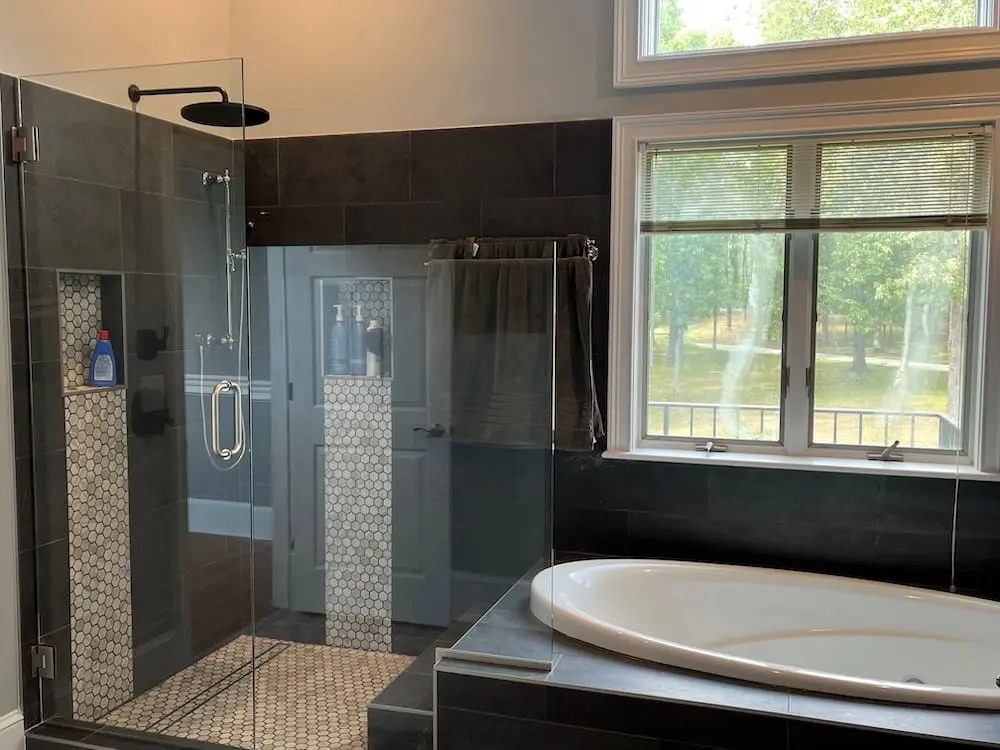
Primary bedroom and bathroom additions are among the most requested. Many older homes lack a true main-level primary suite. Adding one improves comfort and allows homeowners to stay in the home long term.
Mother-in-Law Suites
Mother-in-law suites are also common. These additions may include a bedroom, bathroom, and small living area. Some include kitchenettes or separate entrances. Accessibility is often part of the design, especially when aging parents are involved.
Apartments
Garage apartments and internal apartments are another option. In some cases, homeowners build garages into the house or convert existing space to create a separate living area for parents or adult children.
Sunrooms & Screened-in Rooms
Sunrooms and screened-in porches are often considered exterior additions, but many are built to function as year-round living space. These projects can be simpler but still require proper structural and mechanical planning.
Second Story Additions
Second-story and attic conversions are more involved but allow homeowners to dramatically increase square footage without expanding outward. This is common on lots where space is limited or zoning restricts outward expansion.
Why Adding On Often Makes More Sense Than Moving
Beyond interest rates, there are practical reasons homeowners choose to add on instead of move.
The Hidden Cost of Selling and Buying Again
Selling and buying a new home comes with real costs. Realtor commissions, closing costs, higher property taxes, and higher mortgage payments add up quickly. Even when the purchase price looks manageable, the long-term cost often surprises people.
Why Adding On Protects the Equity You’ve Built
An addition keeps equity working for the homeowner instead of giving it up.
Staying in the Neighborhood You Love
There is also the emotional side. Many people like their neighbors, their schools, and their routines. Adding on allows them to stay rooted while still improving how their home functions.
When the House Is the Issue, Not the Location
We also see homeowners who recently moved and realized the house was too small but still loved the location. An addition corrects that without restarting the entire buying process.
Financing a Home Addition
Most home additions are financed using equity rather than selling and starting over. The right option depends on your financial situation, timeline, and how large the project is.
Below are the most common ways homeowners finance home additions in Middle Tennessee.
Using a HELOC or Home Equity Loan
A HELOC or home equity loan is one of the most common ways to fund an addition. This option allows you to borrow against the equity you have already built in your home while keeping your existing mortgage intact.
This approach works well when:
• You have strong equity
• You want flexibility in how funds are drawn
• You prefer to manage financing separately from construction
Interest rates and terms vary, so it’s important to understand how payments may change over time.
Working With Gibson Builders For Financing
Some homeowners prefer a more coordinated approach. Gibson Builders can work with local Middle Tennessee banks or trusted lenders to help homeowners explore financing options for their home addition or expansion, pending approval.
This approach allows financing discussions to stay aligned with the scope of work from the beginning. Construction financing or equity-based lending can be structured around the actual project plan rather than rough estimates.
Having your builder and lender communicating early helps:
• Keep budgets realistic
• Avoid redesigns later
• Reduce delays caused by financing gaps
This option is often a good fit for larger or more complex additions.
Financing Through Your Own Bank or Lender
Some homeowners already have an established relationship with their bank or credit union and choose to finance through them directly. This can include personal loans, construction loans, or other lending products depending on the institution.
This option can make sense if:
• You already have approved financing
• You are comfortable managing lender coordination yourself
• You want to compare terms across multiple institutions
Regardless of the lender, the key is making sure your financing matches the real cost of the project.
Why Financing Needs to Be Discussed Early
Larger home additions can exceed $650,000 depending on size, structure, and finishes. Financing should be discussed early so design decisions align with real numbers rather than assumptions.
Clear budgeting upfront helps prevent projects from stalling midstream, being scaled back unexpectedly, or needing to be redesigned once construction is underway.
What Drives Home Addition Costs Up or Down
Several factors influence where a project falls within the $250 to $500 per square foot range.
- Structural changes are a major driver. Removing load-bearing walls, adding second stories, or altering rooflines increases complexity and cost.
- Plumbing-heavy layouts raise costs as well. Bathrooms, kitchens, and laundry spaces require more labor and coordination than simple living areas.
- Finish selections matter more than most people expect. Flooring, cabinetry, tile, lighting, and fixtures all add up quickly.
- Tie-in difficulty also affects pricing. Connecting new construction cleanly to an existing home often requires extra labor, especially in older houses.
- Screened porches and sunrooms tend to sit at the lower end of the range. Second-story additions almost always land at the higher end.
- Where Home Additions Are Most Common
We see strong demand for home additions across Middle Tennessee, especially in Nashville, Green Hills, Franklin, Brentwood, Belle Meade, Thompson Station, Leipers Fork, and College Grove.
Each area brings different challenges. Older homes, higher finish expectations, and permitting requirements all affect timelines and budgets. Understanding the local context helps avoid surprises during planning and construction.
Final Thoughts on Home Additions
A home addition is not just a construction project. It is a financial decision tied to long-term comfort and lifestyle.
With interest rates high and inventory limited, adding on allows homeowners to stay where they are, protect their mortgage, and reshape their homes to fit how they live today.
The key is understanding what type of addition makes sense, what it realistically costs, and how to plan it correctly from the beginning.
Interested in building an addition but not sure where to start? Contact us for a consultation!