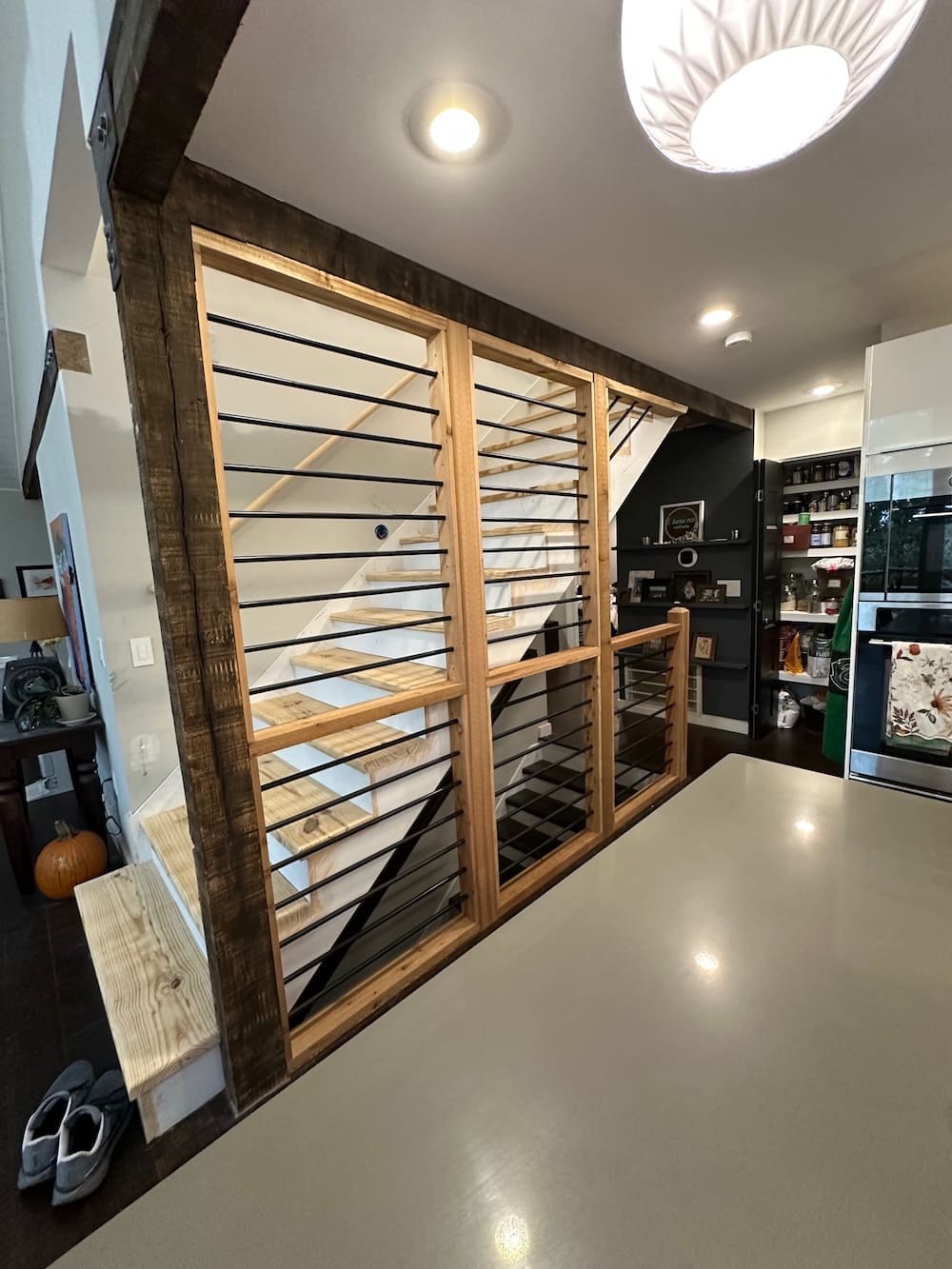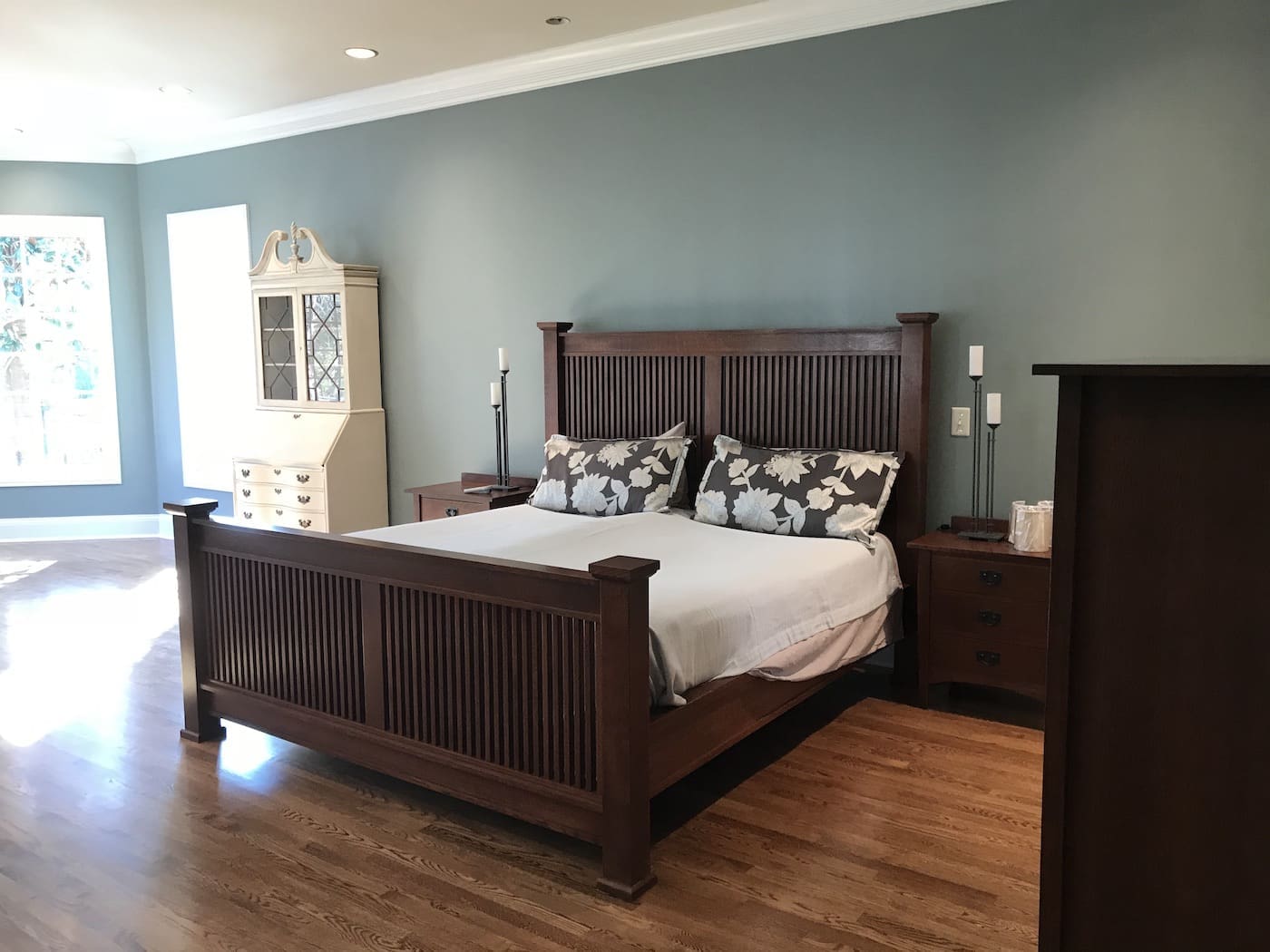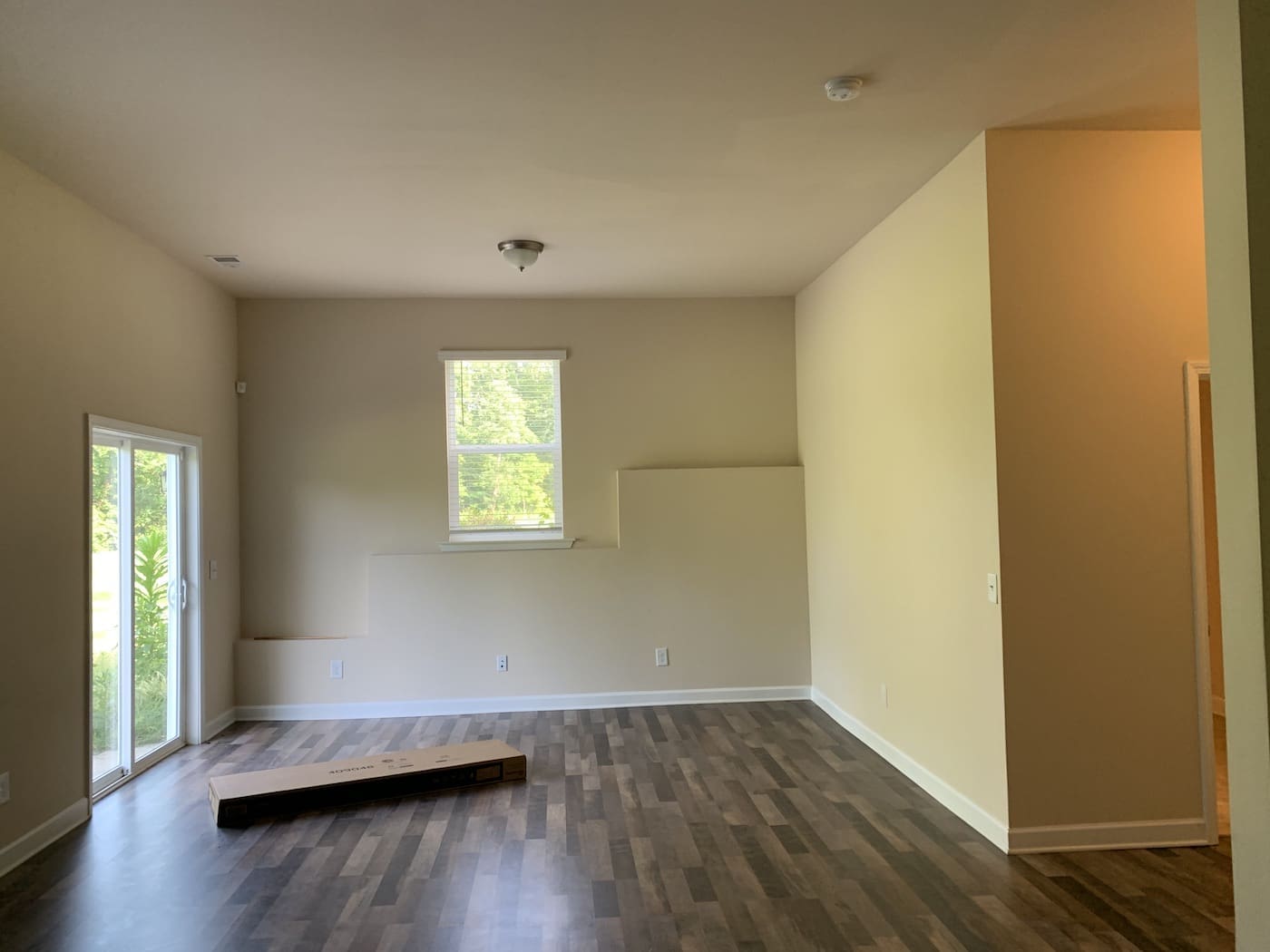
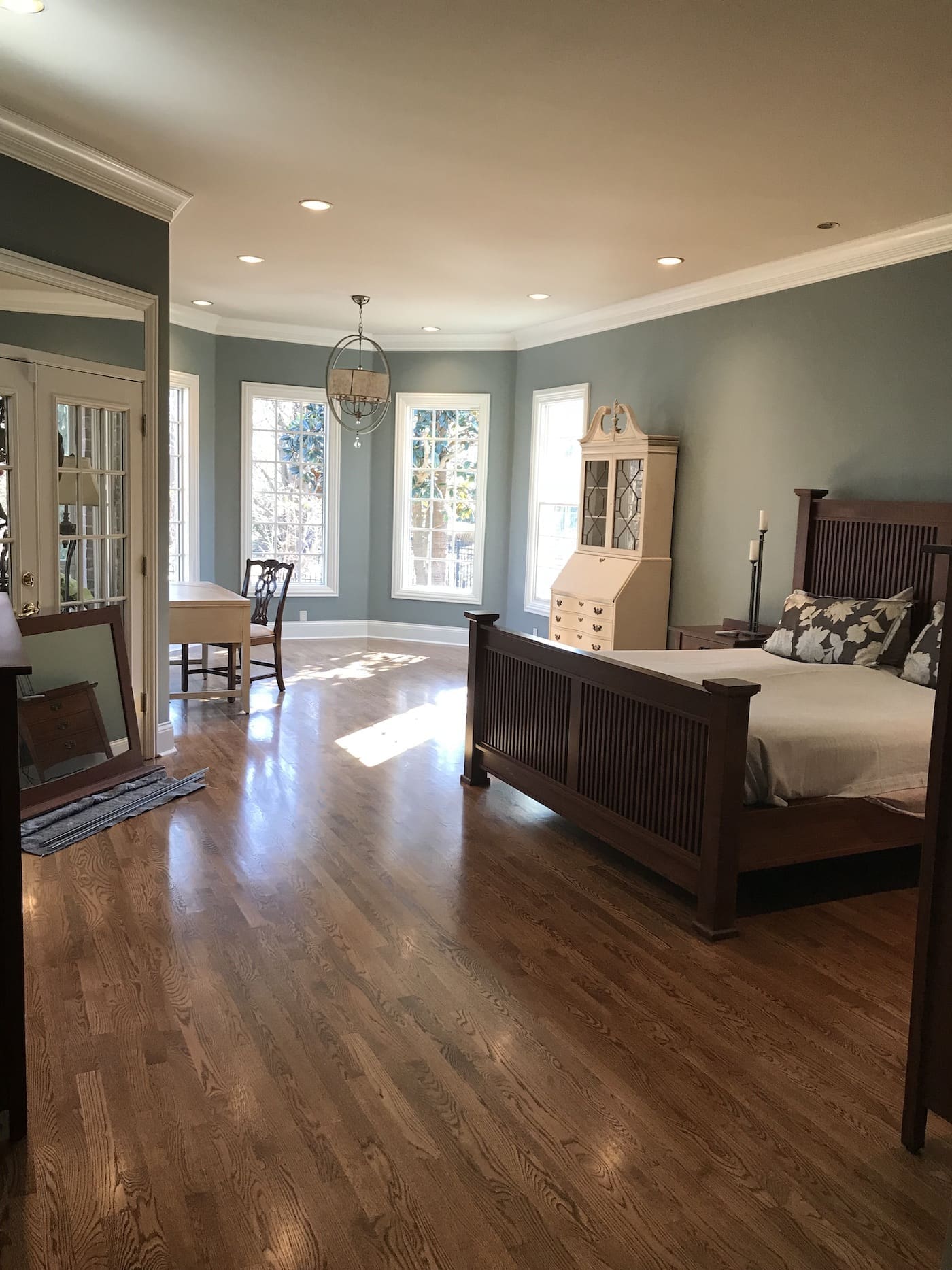
Need more space but don’t want to move?
You’re not alone.
Many families in Middle Tennessee love their home but have outgrown it. A home addition gives you more room without leaving the neighborhood you enjoy.
You can add a bedroom, expand your kitchen, build a family room, or create a private suite for a loved one. The right addition makes your home work better for your family today and for years to come.
This guide explains what a home addition is, how the process works, and what to expect before construction begins.
What Is a Home Addition?
A home addition adds new living space to your house.
The new space becomes part of your home. It should look and feel like it has always been there.
A home addition can:
- Give your family more space
- Make your home easier to use
- Add value to your property
- Help you stay in the home you already love
- Meet your family’s changing needs
For many homeowners, building an addition costs less than buying a larger home.
Why Homeowners in Middle Tennessee Build Additions
Every family has a different reason for adding space.
Some need another bedroom. Others want a larger kitchen or a quiet place to work from home.
Here are some of the most common reasons.
| Need | A Home Addition Can Help By |
| Growing family | Adding bedrooms or bathrooms |
| Working from home | Building a home office |
| Aging parents | Creating an in-law suite |
| Small kitchen | Expanding the kitchen and dining area |
| Need more storage | Adding a garage or mudroom |
| Love the neighborhood | Staying in the home instead of moving |
No matter the reason, a well-built addition should fit your home’s style and meet your family’s needs.
Types of Home Additions
There are many ways to add space to your home.
Room Addition
A room addition gives you more living space.
Many homeowners build:
- Family rooms
- Living rooms
- Dining rooms
- Home offices
- Sunrooms
- Playrooms
These spaces can change as your family’s needs change.
Bedroom Addition
An extra bedroom gives everyone more room.
Many bedroom additions also include:
- A walk-in closet
- A private bathroom
- Extra storage
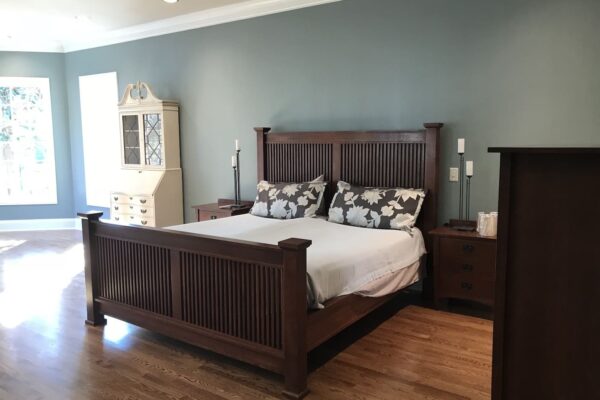
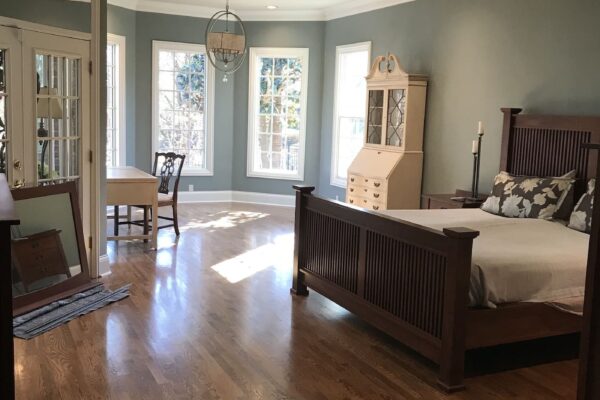
A new primary suite is one of the most popular home additions in Middle Tennessee.
Kitchen Addition
The kitchen is one of the busiest rooms in the house.
If your kitchen feels small, an addition can give you:
- More cabinets
- More counter space
- A large island
- A walk-in pantry
- Better traffic flow
A larger kitchen also makes it easier to cook, gather, and entertain.
Second-Story Addition
Some lots do not have room to build out.
In that case, building up may be the best choice.
A second-story addition can almost double your living space while keeping your yard the same size.
In-Law Suite
Many families want loved ones close by.
An in-law suite can include:
- Bedroom
- Bathroom
- Living area
- Small kitchen
- Private entrance
This gives family members privacy while keeping everyone together.
Garage Addition
A garage does more than protect your car.
It also gives you space for:
- Storage
- Tools
- Lawn equipment
- A workshop
- Sports gear
A garage can also improve your home’s curb appeal.
Can Your Home Support an Addition?
Most homes can support an addition, but every property is different.
Before construction starts, your contractor should check several things.
Lot Size
Your property needs enough room for the new space.
Local setback rules also affect where you can build.
Foundation
Every addition needs a strong foundation.
The new foundation must connect well with your existing home.
Utilities
Your home’s plumbing, electrical system, heating, and cooling may need updates.
Drainage
Good drainage keeps water away from your home.
This helps protect your new addition for years to come.
Local Building Rules
Every city and county has its own building codes and permit requirements.
An experienced contractor will help guide you through the process.
What Happens During a Home Addition?
Knowing what comes next helps you plan with confidence.
Most projects follow these steps.
Step 1: Meet With Your Contractor
Talk about:
- Your goals
- Your budget
- Your timeline
- Your ideas
This meeting helps everyone start on the same page.
Step 2: Design the Addition
Next comes the planning stage.
Your contractor will measure your home and create plans that fit your space.
This is also the time to choose finishes and materials.
Step 3: Get Permits
Most home additions need permits before work can begin.
Permit rules depend on where you live.
Step 4: Prepare the Site
The crew prepares the area for construction.
This may include:
- Clearing the site
- Excavation
- Concrete work
- Foundation work
Step 5: Build the Structure
Once the foundation is ready, framing begins.
Walls, floors, and the roof take shape.
At this stage, your addition starts to look like part of your home.
Step 6: Install Utilities
The crew installs:
- Electrical wiring
- Plumbing
- HVAC equipment
Inspectors check this work before the walls are closed.
Step 7: Finish the Interior
The final stage includes:
- Drywall
- Paint
- Flooring
- Cabinets
- Trim
- Lighting
- Fixtures
Now the space is ready to enjoy.
How Long Does a Home Addition Take?
Every project is different.
The timeline depends on:
- The size of the addition
- The design
- Permit approval
- Material delivery
- Weather
A small addition may take several weeks.
A large addition may take several months.
Your contractor should give you a schedule before work begins.
What Affects the Cost?
There is no one-size-fits-all price.
Several things affect the total cost.
These include:
- Size of the addition
- Type of foundation
- Plumbing work
- Electrical work
- Roof design
- Interior finishes
- Material choices
The best way to get an accurate price is to schedule an on-site estimate.
Common Mistakes to Avoid
Good planning can save time and money.
Try to avoid these common mistakes.
- Hiring a contractor based only on the lowest price
- Starting without a clear budget
- Making big design changes after work begins
- Choosing cheap materials that may not last
- Forgetting about permits
- Hiring a contractor with little experience building additions
A trusted contractor can help you avoid these problems.
Questions to Ask Before You Hire a Contractor
Before you sign a contract, ask questions like:
- How many home additions have you built?
- Will the new space match my home?
- Who gets the permits?
- How long will the project take?
- How will you keep me updated?
- Do you offer a warranty?
- Can I see photos of past projects?
Clear answers help you choose the right builder.
Why Choose Gibson Builders?
A home addition should look like it has always been part of your house.
That takes planning, skill, and attention to detail.
At Gibson Builders, we build home additions for families across Middle Tennessee. We focus on quality work, honest communication, and thoughtful design. From the first meeting to the final walkthrough, we work to make the process simple and stress-free.
Whether you want a larger kitchen, another bedroom, a garage, or a full in-law suite, our team is ready to help.
Ready to Add More Space?
If your home no longer fits your family’s needs, you don’t have to move.
A well-planned home addition can give you the space you need while keeping the home you already love.
Contact Gibson Builders today to schedule a consultation. We’ll help you explore your options and build an addition that fits your home, your family, and your future.